
Seedy Toe in Horses: The Simple Fix and Long-Term Solution
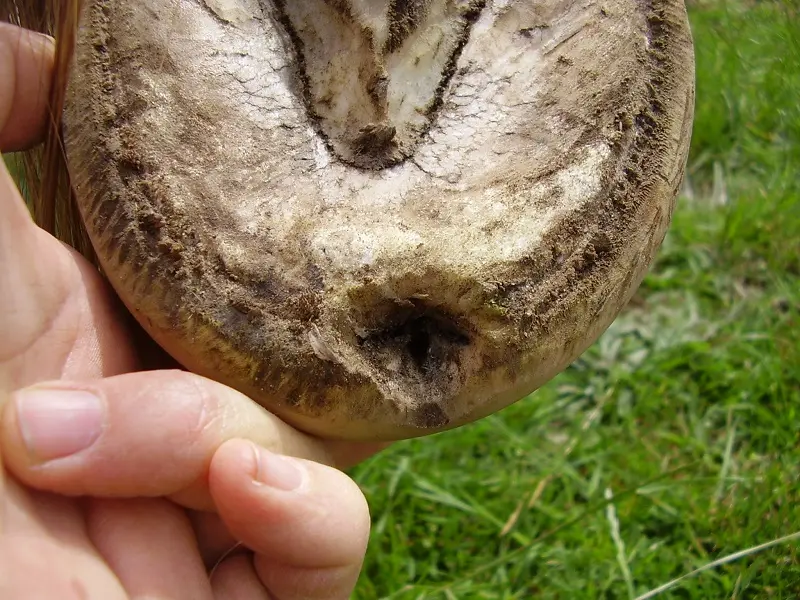
Seedy toe, also known as white line disease, can be frustrating. You clean it out, treat it and trim the hoof — yet it often comes back again.
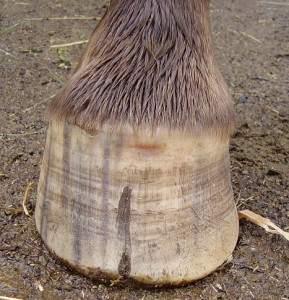
I know how discouraging that can be because seedy toe used to be an ongoing problem with my own horses many years ago.
What eventually made the biggest difference was looking beyond the hole in the hoof. Improving their diet, balancing their minerals and creating a healthier environment helped improve the quality of the hoof growing down.
The good news is that there are just two important parts to dealing with seedy toe:
First, deal with the affected area. Then look at why the hoof became vulnerable in the first place.
Here’s the simple approach that has worked well for me.
1. Keep the Hoof Well Trimmed
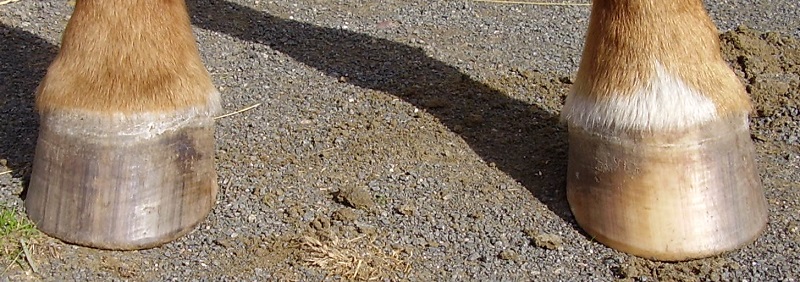
Seedy toe and white line separation are often worse when the hoof is overgrown or there are excessive lever forces on the hoof wall.
Flares, long toes, cracks and splits can place extra stress on the hoof wall and make separation more likely.
Regular, appropriate trimming helps:
- Reduce leverage on the hoof wall
- Prevent cracks and splits from worsening
- Remove loose or damaged material where appropriate
- Support healthier hoof growth
Your hoof care professional can advise on the best trimming approach for your horse and how much affected material needs to be removed.
2. Clean Out the Affected Area

The crumbly, dark material associated with seedy toe needs to be carefully removed so the area can be assessed and kept as clean as possible.
Some hoof care professionals prefer to open up and remove more of the affected material, particularly where there is a large cavity.
Others may remove loose material and then protect or pack the area to help keep dirt and debris out.
How much should be removed will depend on the individual hoof, so it’s best to work with an experienced hoof care professional.
3. Treat and Protect the Area
Once the affected material has been cleaned out, it helps to soak the hoof in a diluted antifungal solution — apple cider vinegar (50/50 with water) works well, and some people prefer a nappy wash solution instead. Soak for 20–30 minutes, then let the hoof air-dry in a clean environment before applying any treatment.
Depending on the size and depth of the cavity, different hoof treatments or packing materials may be useful to keep debris out, keep the area clean, and protect deeper crevices while healthy hoof grows down.
For deeper crevices and larger holes, a hoof packing clay such as Equifibre is designed to stay in place and keep contamination out. For smaller, shallower cracks, Equimud is a simple option to keep the area clean.
The treatment may need to be repeated whenever the packing comes out, or the area becomes contaminated with dirt.
Remember that the damaged section won’t simply disappear overnight — the hoof needs time to grow healthy material down. For a full walk-through of this process, see our complete guide to treating seedy toe.
4. Feed for Better Hoof Health
This is where I found the biggest long-term improvement.
The hoof is living tissue, and the quality of the hoof wall reflects many aspects of the horse’s overall health and nutrition.
Poor-quality hoof growth, excessive hoof rings, repeated flaring or weak hoof walls can be signs that something needs closer attention. You can read more about the connection in how minerals affect your horse’s hooves.
A well-balanced diet that provides the nutrients needed for healthy hoof growth is an important part of preventing ongoing hoof problems.
Ideally, mineral supplementation should be based on the horse’s actual forage and pasture where possible. If your hay and pasture sources vary regularly, a mineral mix developed using data from your general area can be a practical alternative.
A qualified, independent equine nutritionist — such as Balanced Equine — can help you assess your horse’s diet and make sure the mineral and nutrient balance is appropriate. If you’d like to learn to balance your own horse’s diet, Dr Eleanor Kellon’s courses are well worth looking into.
Browse our full range of feed and mineral supplements to support healthy hoof growth.
Healthy hoof growth takes time, so don’t expect dietary improvements to show immediately. The new hoof needs to grow down from the coronary band.
5. Create a Healthier Hoof Environment
Constant wetness and mud can make hoof management more difficult, particularly when the horse has little opportunity to stand on a dry surface.
Providing a dry standing or resting area can make a big difference. This could include a well-drained gravel area for resting and feeding hay nets, improved gateways and high-traffic areas, a surfaced lane or track, or several dry resting areas around your property.
Gravel, rocks and other well-draining surfaces can help prevent horses from standing in mud for long periods. Even a small dry area where you feed hay — using a slow feed hay net to keep them occupied — can be valuable during wet weather.
If you’re setting up dry standing areas or laneways as part of a broader track system, our guide to Paddock Paradise-style track setups is a good place to start.
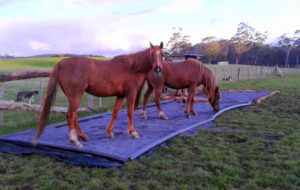
Try to surface boggy lanes and gateways with a permeable liner covered with gravel and rocks so they don’t disappear into the mud.
If possible, use a ‘blue metal’ type of gravel. This can change the PH sufficiently to promote healing and continued hoof health.
Products such as ‘crusher dust’ – the fine gravel left after making coarser gravel are also useful.
Even sand can be better than nothing, and pea gravel is ideal if you can afford it.
A well-drained riding arena can also double as a dry area if nothing else is available.
Eating too much grass can be solved by using a track or central point system or even a combination of the two. Electric fencing is your friend as it allows you to be flexible with where you make grazing areas or tracks and is perfect for strip grazing.
6. Look at Grass and Sugar Intake
For some horses and ponies, excessive intake of lush or high-sugar grass can contribute to metabolic and hoof problems. This is especially important for horses that are easy keepers, overweight, prone to laminitis, insulin dysregulated, or showing repeated hoof changes.
There’s a real mechanism behind this connection: a high sugar or starch intake can trigger a die-off of gut bacteria, releasing toxins that affect circulation within the hoof. This is believed to trigger separation at the laminae — the same weak point that allows bacteria to get in and cause seedy toe. It’s worth reading more about this link in our article on horses prone to laminitis.
Managing grass intake may involve using a track system, central yard or carefully controlled grazing areas. Electric fencing can make it easier to adjust grazing and create flexible track or strip-grazing systems.
A grazing muzzle may also be useful for some horses, but it needs to be carefully fitted and monitored — horses can find it hot, uncomfortable, and restrictive of normal mutual grooming and itching. It should be part of an overall management plan rather than the only solution.
Why Does Seedy Toe Happen?
Seedy toe occurs when microbes take advantage of a separation or weakness in the hoof wall and white line area.

That separation can develop for several reasons, including:
- Mechanical stress from flares or overgrown hooves
- Previous laminitis or laminar damage
- Poor-quality hoof growth
- Cracks and splits in the hoof wall
- Metabolic or dietary problems
- Excessive leverage on the hoof wall
The holes left behind by nailing on horseshoes can also give seedy toe a place to start, which is one of the reasons many barefoot-focused owners look to alternative hoof protection instead.
Once there is separation, bacteria and fungi can colonise the damaged area and gradually break down the hoof material.
That’s why simply treating the hole may not always prevent the problem from returning.
The long-term solution is to support strong, healthy hoof growth while reducing the mechanical and environmental factors that allow separation to develop.
Prevention Starts with Healthy Hooves
Regular hoof care is an important part of preventing seedy toe.
Keeping the hoof well balanced and reducing excessive flares and leverage can make it harder for cracks and separation to develop.
Rounding the outer edge of the hoof wall where appropriate can also help reduce chipping and cracking — a tool like the Radius Rasp makes this easy to do between trims.
If your horse wears hoof protection, it’s worth regularly checking the hoof underneath and ensuring the hoof is kept clean and properly maintained.
The Simple Approach to Seedy Toe
When dealing with seedy toe, think about both the short-term fix and the long-term solution.
The short-term approach:
- Keep the hoof properly trimmed.
- Remove loose or affected material where appropriate.
- Soak, clean and protect the affected area.
- Keep dirt and debris from packing into deeper cavities.
The long-term solution:
- Support healthy hoof growth with a balanced diet.
- Manage grass and sugar intake where necessary.
- Provide dry, well-drained areas.
- Maintain regular, appropriate hoof care.
- Look for underlying metabolic or health issues if hoof problems keep returning.
Remember: The Hole Is Only Part of the Problem
Seedy toe can be a visible sign that something has allowed the hoof wall to separate or become vulnerable.
Treating the affected area is important, but supporting the whole horse — or pony, donkey or mule — is often the key to preventing repeated problems.
With regular hoof care, good nutrition, appropriate grazing management and a healthy environment, you can give them the best opportunity to grow stronger, healthier hooves.
Prevention really is easier than cure — and healthy new hoof growth is always the goal.