
Bitless Science
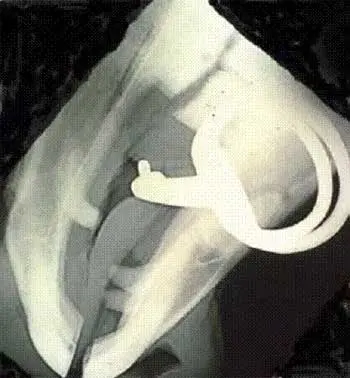
Scientific studies of riding bitless and how bits affect horses are increasing.
Mouth Pain in Horses: by David J. Mellor 
Mouth pain in horses, especially from bits, is a significant concern for their well-being. This pain arises from various factors like pressure, injury, inflammation, and tissue stretching.
We can observe behaviors that indicate this pain, which is more common in horses with bits compared to those without. Unfortunately, many equestrians may not realize these behaviors signal mouth pain, leading to an underestimation of the issue.
This pain not only causes discomfort but can also lead to breathing difficulties, anxiety, and fear. To address this, questions are posed to promote the use of bit-free bridles and prevent bit-induced mouth pain.
When horses have mouth pain, they show it through various behaviors. These can involve their mouth, tongue, lips, nostrils, eyes, ears, head, neck, body, legs, and tail. They might also change how they stand or move.
We looked at three situations:
- Horses with bits, especially in competitive events.
- Horses transitioning from bits to bit-free.
- Bit-free behavior in domesticated horses with halters or no tack, and wild, free-roaming horses.
You can read the full study here: Mouth Pain in Horses: Physiological Foundations, Behavioural Indices, Welfare Implications, and a Suggested Solution
Here are some of the earlier articles and studies done:
One focuses on the physical damage a bit can cause to the horse, and the other on a study done to evaluate the difference between young horses started with a bitless bridle or a bitted bridle.
 ‘To Bit or Not To Bit’

Janene Clemence from the Academy of Equine Performing Arts had this excellent article published in the local Equine News magazine last year and it is now available on my website. Here is an excerpt:
“I’ve seen many articles recently that talk about bitting the horse, mostly on how to make the horse work better, how to fit the bit, the importance of quiet hands etc.
What I haven’t seen in any of these articles is the truth about what a bit actually does…how it really works in the mouth, and what other effects that bitting may have on your horse…your horse…the one you call your friend and claim to love.
It is not enough to just stand up and say, “I think bits hurt horses and we shouldn’t use them!” If we take a simple look at the anatomy and physiology of the horse, we can better realize the psychological and physiological impact on the horse and then come to an informed decision on whether or not bits really belong in a horse’s mouth
Without visiting the anatomy and physiological aspects of the horse, we will fail to understand the impact the bit really has on the horse.” Click here to read it now.
Bitted Versus Bitless Bridles
Dr Amanda Warren-Smith of the Millthorpe Equine Research Centre looks at the Responses of young horses to bitted and bitless bridles during foundation training.
Briefly, the methodology involved getting horses that had not much handling previously and had not been ridden before, giving them to students to take through the process of foundation training, with half of them (the horses) being educated using a bitted bridle and the rest educated using a bitless bridle. The training program lasted approximately seven weeks and consisted of three main components that were used as measuring points. These were:
- Bridling: which looked at how the horses responded to having the bridles put on
- Long-reining: this assessed the responses of the horses as they first learned the rein signals
- Riding: where the horses were backed and ridden for the first time
Research has shown that horses that undergo foundation training in a bitless bridle can perform just as well as, if not better than, those in a bitted bridle. Read the full article here.